


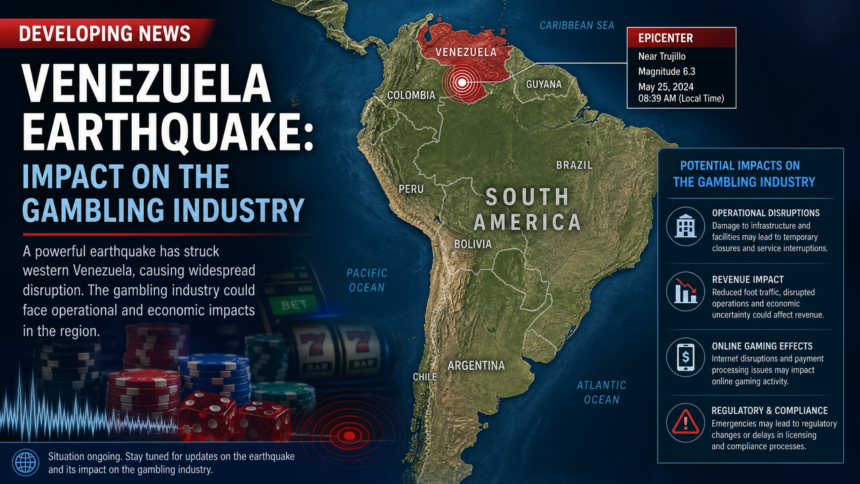
Venezuela Quakes Rock South America Gambling
The recent, devastating earthquakes in Venezuela have sent shockwaves through the regional gaming sector. Damage to infrastructure, prolonged power outages, and mass displacement are already hitting revenues. Operators are scrambling to assess losses, regulators are weighing emergency measures, and the market faces an uncertain road to recovery.
Immediate impact: shuttered venues and interrupted services
In the immediate aftermath, the most visible damage has been to **land-based casinos** and betting shops. Buildings sustained structural damage, slot floors were flooded or strewn with debris, and large properties were closed for safety inspections. Footfall has collapsed in affected urban centres, tourism has fallen, and on-site gaming revenues have plunged.
At the same time, **online casinos** and sportsbook operators have not been immune. Internet blackouts, damaged data centres, and disrupted payment rails have caused outages, delayed withdrawals, and higher transaction friction. Operators with limited disaster-recovery planning reported outages that lasted hours, and in some cases days, affecting customer trust and retention.
Regulators and emergency response
Regulatory bodies across the region have mobilised. Some have suspended licence deadlines, others have allowed temporary cross-border service arrangements to ensure access to winnings. There are early signs of coordinated action – regulators are prioritising consumer protection, including faster dispute resolution for delayed payments, and enhanced anti-fraud checks where cash flows are redirected through informal channels.
Social responsibility is back on the agenda. Regulators are urging operators to provide helplines, contribute to relief funds, and avoid aggressive marketing while communities recover. Compliance teams are also on high alert for spikes in money-laundering risk, as cash shortages and informal economies expand in disaster zones.
Market implications: volatility, consolidation, and migration
The shocks will be felt beyond borders. Neighbouring markets such as Colombia, Guyana and Caribbean jurisdictions may see short-term player migration. Travelers avoid affected areas, and some high-net-worth players will temporarily relocate their activity. This creates both risk and opportunity for operators with regional footprints.
Financially, the sector faces increased volatility. Insured losses will depend on policy coverage and claims processing capacity. For smaller operators, repair costs and lost revenue may force consolidation. Larger groups with deep pockets and cloud-first architectures are better positioned to weather the storm, potentially accelerating market concentration.
Longer-term, investors will re-evaluate geopolitical and physical risk in their portfolios. Infrastructure resilience, data redundancy, and disaster recovery plans will move from compliance checkboxes to board-level priorities. Expect heightened due diligence on servers, power backup, and local partnerships when capital flows return.
Operational lessons and recommendations
Operators that managed the crisis best had three things in common: robust DR systems, multi-jurisdictional banking lines, and active community engagement. Practical steps for the wider industry include:
- Strengthen cloud and data redundancy across geographies, to reduce single-point failures.
- Diversify payment rails and pre-position emergency liquidity for timely customer payouts.
- Coordinate with regulators on temporary relief measures, and publicise clear customer support channels.
- Contribute to relief efforts, to protect reputation and support recovery in local markets.
There will be a recovery period – short-term pain, followed by uneven rebuilding. The quakes have exposed vulnerabilities, and the industry must adapt. For operators, regulators, and investors, the central question is this: will the sector use this crisis to harden itself against future shocks, or will the same weaknesses resurface when the next emergency hits?
What is clear, is that the earthquakes in Venezuela have altered the regional gaming landscape. The response now will determine whether those changes lead to a more resilient industry, or a fractured one struggling to rebuild.